
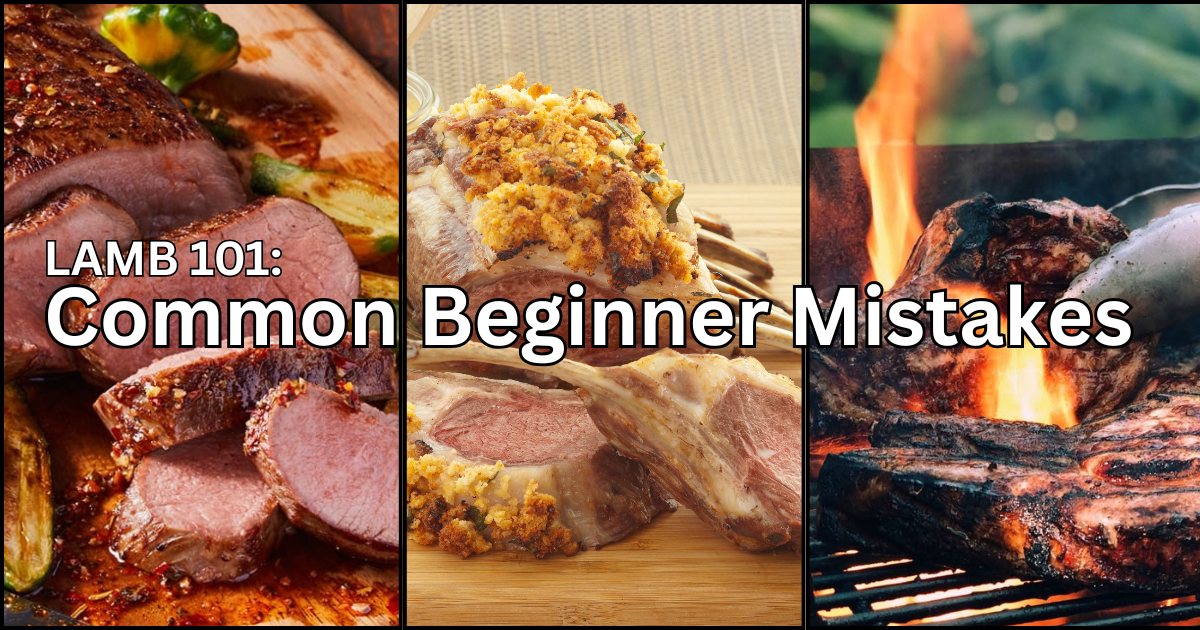
If you’ve ever pulled lamb from the oven, grill, or pan and thought, “Why didn’t this turn out the way I expected?” you’re not alone. Lamb can feel intimidating when you’re new to cooking it, but the good news is that most common beginner mistakes or problems come down to three fixable things: choosing the right cut, using the right cooking method, and checking the temperature instead of guessing.
Whether your lamb was dry, tough, bland, chewy, or a little too pink in the middle, this guide will help you troubleshoot common beginner mistakes to feel more confident the next time you cook it.
READ MORE: The Ultimate Guide to Lamb Cuts
Mistake: Overcooking the Lamb
Overcooking is one of the most common beginner mistakes that makes the lamb turns out dry or tough. Tender cuts like chops, loin, rack, and leg are at their best when they are cooked carefully and not pushed too far past doneness. A thermometer is the easiest way to avoid guessing.
How to fix it: Start checking the internal temperature early, especially with chops and smaller cuts. Remove lamb from the heat slightly before it reaches your final target because the temperature will continue to rise as it rests. For best results, keep lamb slightly pink in the centre unless you are cooking ground lamb or a slow-cooked cut that needs time to become tender.
Mistake: Under-Seasoning
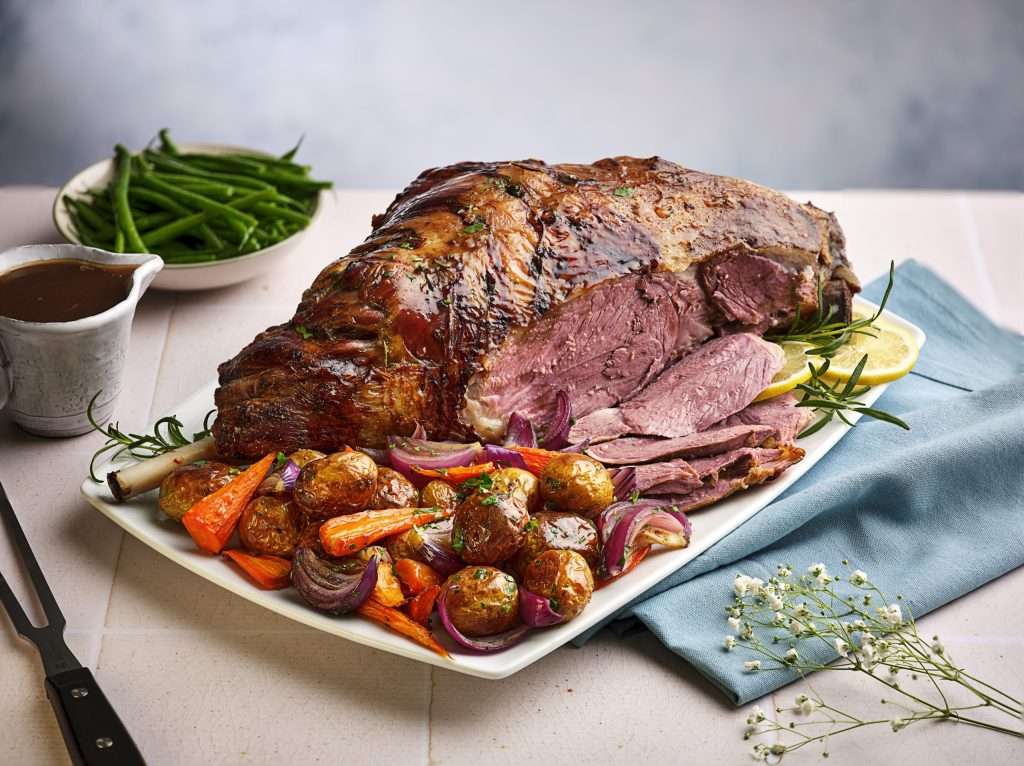
Lamb has a rich, distinctive flavour, and it benefits from confident seasoning. If the finished dish tastes bland, the issue may not be the lamb itself—it may simply need more salt, herbs, aromatics, or acidity.
How to fix it: Season with salt and pepper before cooking, then build flavour with garlic, rosemary, thyme, oregano, mint, lemon, mustard, cumin, paprika, or your favourite marinade. For larger cuts, season ahead of time so the flavour has a chance to work into the meat.
READ MORE: Unlock a World of Flavor: Sauces for Sensational Summer Lamb
Mistake: Choosing the Wrong Cut for the Recipe
Not every lamb cut cooks the same way. Tender cuts like rack, loin chops, rib chops, and butterflied leg are great for high-heat cooking such as grilling, roasting, broiling, or pan-searing. More muscular cuts like shoulder, shank, neck, and stew meat need low, slow cooking so the connective tissue can break down and become tender.
How to fix it: Before you start, check whether your cut is best for quick cooking or slow cooking. If a shoulder chop feels tough after a quick sear, it may not be your technique—it may simply need a slower method. If a loin chop is dry after a long braise, it likely needed fast heat instead.
Mistake: Cooking Lamb Straight from the Fridge
Cold lamb can cook unevenly. The outside may brown quickly while the centre stays underdone, especially with thicker chops, steaks, or roasts.
How to fix it: Take lamb out of the fridge about 20–30 minutes before cooking. This short tempering time helps it cook more evenly. While it sits, pat the surface dry so you get better browning.
Mistake: Skipping the Rest Time
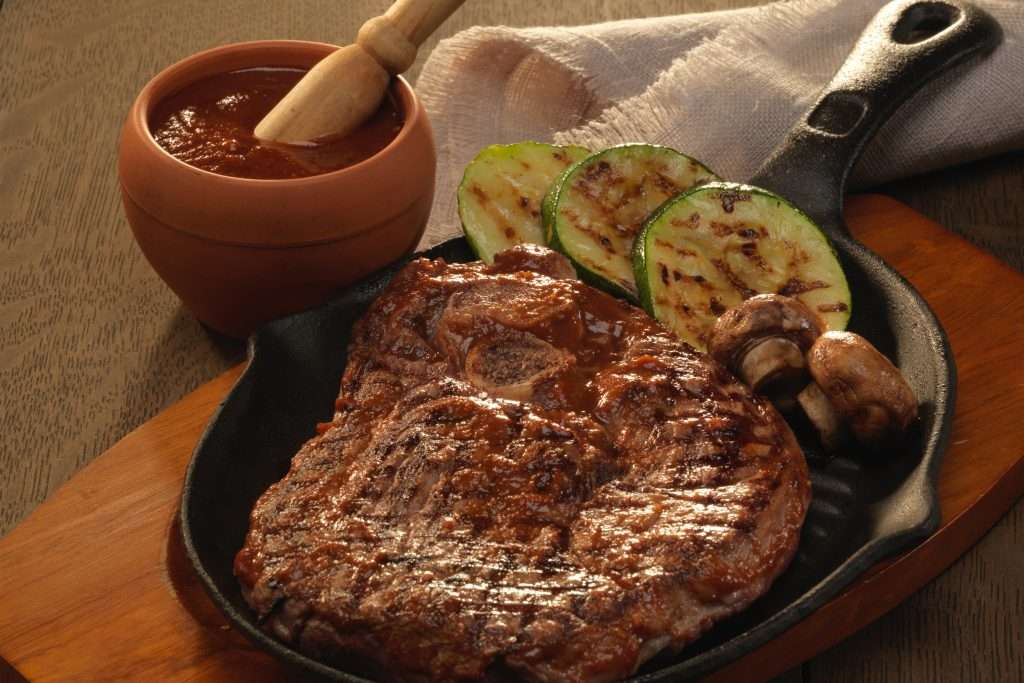
It can be tempting to slice into lamb right away, especially when it smells amazing. But cutting too soon lets the juices spill out before they have time to settle back into the meat.
How to fix it: Rest smaller cuts, such as chops or steaks, for 5–10 minutes. Rest larger roasts for 10–20 minutes. Keep the lamb loosely covered so it stays warm without steaming the crust.
Mistake: Slicing with the Grain Instead of Against It
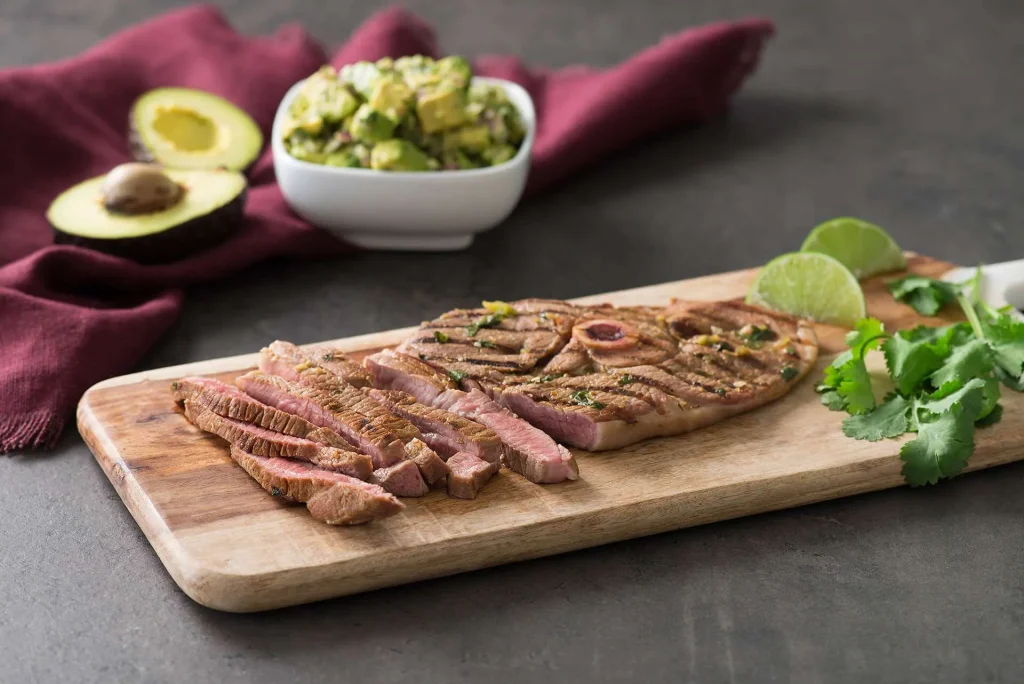
Sometimes lamb tastes tough even when it is cooked correctly. The problem may be how it was sliced. Meat has visible muscle fibres, often called the grain. If you slice in the same direction as those fibres, each bite can feel longer and chewier.
How to fix it: Look for the direction the muscle fibres are running, then slice across them. This shortens the fibres and makes each bite more tender. This is especially helpful for leg of lamb, butterflied lamb, shoulder, and steaks.
Mistake: Not Using a Thermometer
Colour, cook time, and touch can all be misleading. Lamb can look browned on the outside while still being underdone in the centre, or it can look fine until it is sliced and revealed to be overcooked.
How to fix it: Use an instant-read thermometer and insert it into the thickest part of the meat. Avoid touching bone or large pockets of fat, which can give an inaccurate reading. For roasts, check more than one spot so you know the centre has reached the temperature you want.
If your lamb did not turn out, don’t assume you “ruined it.” Ask three questions: Did I choose the right cut? Did I cook it with the right method? Did I check the temperature? Once you get those basics right, lamb becomes much easier—and much more enjoyable—to cook at home.
Next month: how to buy and plan lamb for holiday meals and larger gatherings.